Cicada Lineart: A Boutique Embroidery Review
First Impressions: Clean, Contemporary, and Quietly Bold
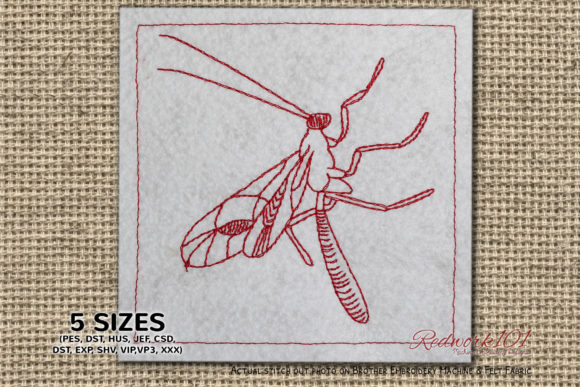
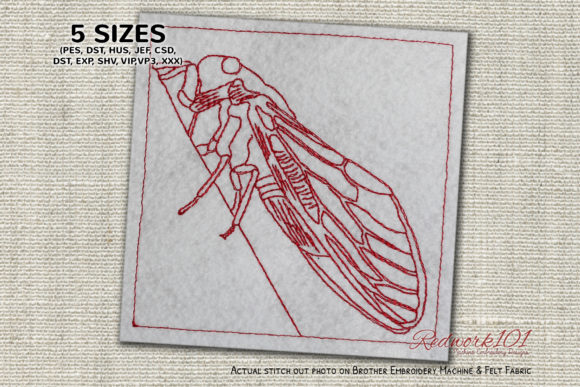
As an embroidery designer who’s stitched hundreds of boutique apparel collections—from limited-run hoodies to curated Etsy capsule lines—I opened Cicada Lineart expecting a delicate insect motif. What I found was something sharper: a confident, minimalist line drawing with intentional negative space, subtle tapering strokes, and a natural asymmetry that reads as both modern and organic. It doesn’t scream “bug”—it whispers “thoughtful detail.” This isn’t novelty embroidery; it’s design-first embroidery. The mood is calm but not cold, feminine without being fussy, and effortlessly versatile across gender-neutral and lifestyle-focused apparel.
Sweatshirt & Hoodie Performance: Where Simplicity Shines
Cicada Lineart excels on sweatshirts and hoodies—not as a back centerpiece, but as a refined chest accent or sleeve whisper. On heather grey French terry or oatmeal fleece, its clean lines hold shape beautifully without competing with fabric texture. I tested placement at 2.2" wide on a relaxed-fit hoodie chest: it balanced proportion perfectly—neither lost nor overwhelming. Because the design avoids dense fill stitching, it moves gracefully over ribbed cuffs and curved shoulder seams. For oversized garments, consider scaling up slightly (to ~2.7")—but avoid pushing past 3", where line integrity can soften on low-stretch knits.
Why It Works for Boutique Branding
- Visual consistency: Its restrained scale and single-outline structure make it easy to pair with minimalist typography or complementary botanical motifs—ideal for cohesive seasonal drops.
- Buyer trust: Clean lineart signals craftsmanship and intentionality—customers associate this aesthetic with handmade product care and brand authenticity.
- Product recognition: Subtle but distinctive, Cicada Lineart becomes a quiet signature—think of it like a discreet monogram, not a logo.
Real-World Placement Across Apparel Types
On neutral t-shirts? Crisp and elevated—especially when paired with tonal thread (e.g., heather navy thread on charcoal jersey). On dark apparel like black denim jackets or deep burgundy totes? Use high-contrast thread (ivory, pale gold, or slate grey) to preserve legibility without shouting. For pastel hoodies (dusty rose, seafoam), try soft ecru or warm taupe thread—it harmonizes without disappearing.
Back designs? Use sparingly—Cicada Lineart gains impact when isolated, not repeated. A single centered chest placement reads stronger than three scattered cicadas on a tote bag. That said, on structured canvas totes or linen-blend market bags, it anchors the composition elegantly—no box stitch needed unless you’re aiming for graphic framing.
What to Watch For: Practical Embroidery Notes
This isn’t a plug-and-stitch file. As a working designer, here’s what I recommend before committing to production:
- Test on scrap fabric—especially if using stretchy cotton blends or brushed fleece. Lineart can blur if stabilizer choice is too light.
- Confirm stabilizer type: Medium-weight cutaway works best for knits; tear-away suffices for stable wovens like denim or canvas.
- Review thread color contrast carefully—some light threads fade into heathered fabrics. Hold your swatch in natural light before finalizing.
- Check hoop size compatibility—while Cicada Lineart is compact, verify the included file fits your standard hoop (many boutique shops use 4x4").
- Inspect stitch density in the preview—lineart should flow smoothly, not stutter. If vector paths convert unevenly, adjust in your editing software before hooping.
- Always test on garment fabric, not just scrap—fabric tension, dye lot variation, and finishing affect how fine lines land.
Commercial Use & Creative Fabrica Context
For Etsy sellers and small shop owners, Cicada Lineart bridges the gap between mass-market appeal and artisan distinction. It’s not trend-chasing—it’s quietly timeless. Unlike overly detailed bug motifs that date quickly, this lineart feels at home in 2024 and will still resonate in 2027. That longevity strengthens your boutique brand’s visual language and reduces the need for constant design refreshes.
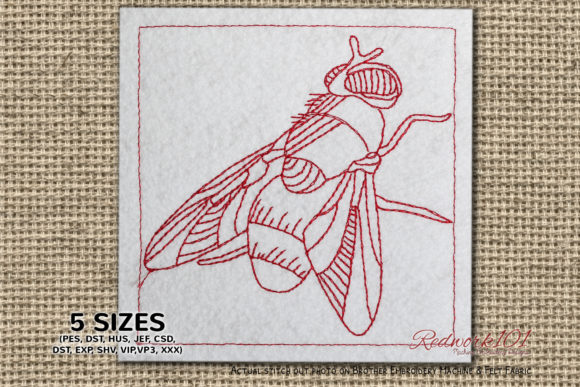
The note about “The Box Stitch shown in picture is optional” is especially useful. Most of my clients skip it entirely—it’s rarely part of the core design intent. When used, it functions best as a subtle frame on structured items like tote bags or mockup backgrounds—not on soft, drapey apparel where it risks looking disconnected.
Where It Adds Value—And Where It Doesn’t
Cicada Lineart elevates perceived value on cozy seasonal outfits (think cashmere-blend loungewear or organic cotton sets) because it implies curation, not clutter. It supports brand identity when used consistently—even across different product types—because its visual weight remains predictable.
That said, avoid it on highly textured surfaces like bouclé or heavy cable-knit sweaters—fine lines lose definition. Also skip tight curves (like collar bands or narrow waistbands) unless scaled down significantly and tested thoroughly. Tiny lettering adjacent to the design? Not advised—this is a standalone statement, not a supporting element.
Final Thoughts for the Working Designer
If you’re building a small-batch collection rooted in nature-inspired minimalism—or simply want to expand your Creative Fabrica embroidery library with a versatile, non-trendy machine embroidery design, Cicada Lineart earns its place. It’s not flashy, but it’s reliable. It doesn’t dominate—it complements. And in the world of custom apparel, where customers scroll past dozens of options in seconds, that quiet confidence is exactly what makes a design stick.
Before launching your next drop, ask yourself: Does this reinforce the feeling I want customers to carry with them? With Cicada Lineart, the answer—on neutral sweatshirts, soft hoodies, and thoughtful lifestyle pieces—is a clear, confident yes.