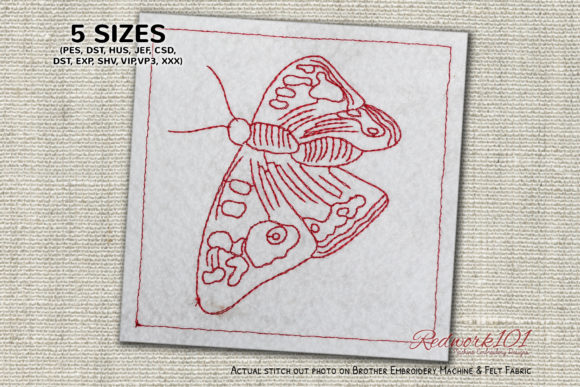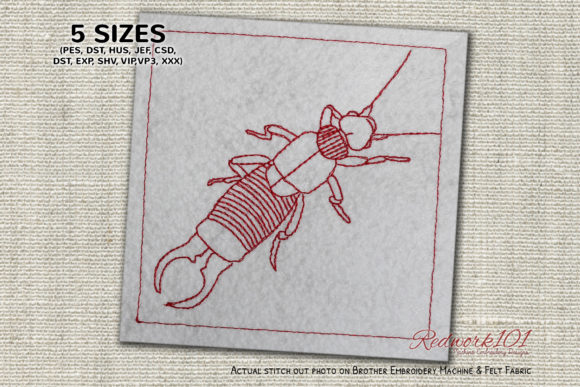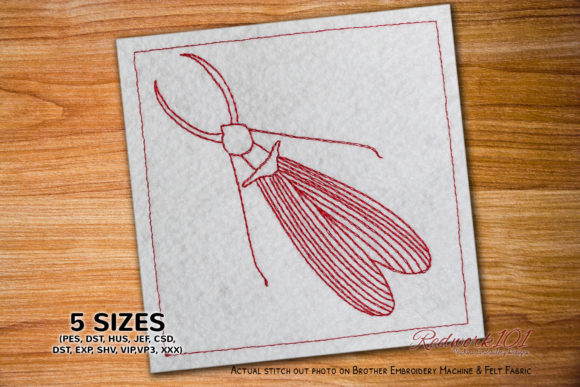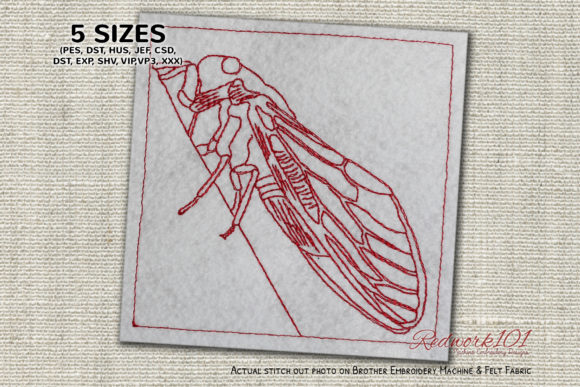
Tarantula Hawk Lineart: Bold & Unexpected
First Impression: Striking, Confident, and Conversation-Starting
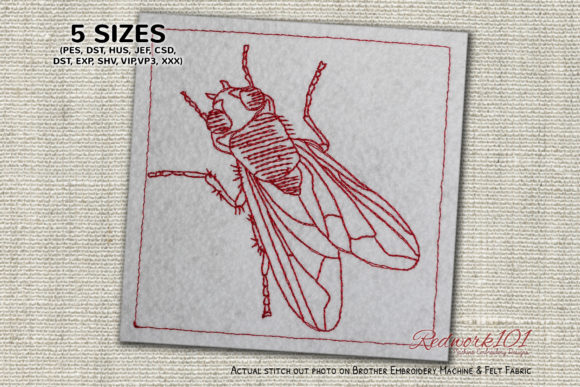
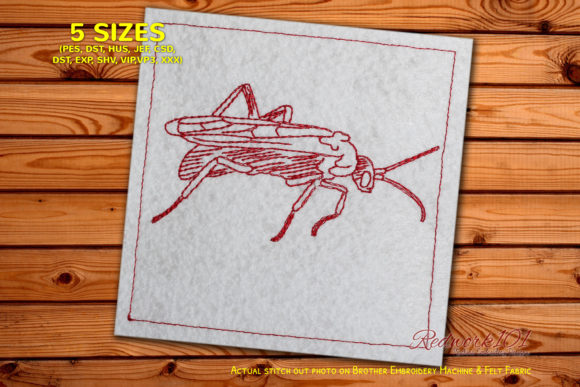
As an embroidery designer who’s prepped over 200 craft fair booths—from Portland bazaars to Nashville maker markets—I instantly recognize when a design carries presence. Tarantula Hawk Lineart lands with confident minimalism: sharp outlines, deliberate negative space, and that unmistakable insect silhouette—part science illustration, part modern tattoo flash. It’s not cute. It’s not rustic. It’s boldly *modern* with a subtle edge—perfect for sellers who want handmade products that stand out without shouting.
Where It Shines in Real Booth Displays
In a crowded craft fair aisle, customers scan in under three seconds. Tarantula Hawk Lineart wins that glance test every time—especially on high-visibility items:
- Tote bag design: Centered on a natural canvas or black linen tote, it reads clean and graphic from six feet away. No color confusion—lineart means instant clarity, even in low-light booth lighting.
- Embroidered patch: Ideal for iron-on or sew-on use on denim jackets, backpacks, or market bags. Its strong contour holds up beautifully after washing and wear.
- Apron embroidery: Positioned just above the pocket or centered on the bib, it adds personality without overwhelming function. Works equally well on charcoal twill or oatmeal cotton.
- Tea towel embroidery: Small-scale placement (e.g., lower corner or hem) gives artisanal weight—ideal for gourmet shops or kitchen-focused boutiques.
- Pillow cover & fabric pouch: The lineart scales elegantly. At 3–4 inches tall, it feels intentional—not tiny or lost. On textured linen or duck cloth, the clean lines cut through visual noise.
What Holds It Back (and How to Fix It)
This isn’t a “set-and-forget” embroidery file. As a working designer, I flag these practical considerations before cutting thread:
- Dense stitch areas: Though labeled “lineart,” some versions include optional Box Stitch framing. That outer box—if stitched—adds density. On thick fabrics like canvas aprons or structured caps, skip it unless you’re using heavy-duty stabilizer and testing tension first.
- Tiny details: The wasp’s wings and leg segmentation are crisp at 4" but blur below 2". Avoid placing Tarantula Hawk Lineart smaller than 1.75" on patches or zipper pulls—it loses definition on dark fabric or textured towels.
- Curved surfaces: Caps and curved market bags require careful hooping. Use a medium tear-away + cut-away combo stabilizer, and reduce stitch density slightly if your machine hesitates on curves.
- Fabric texture mismatch: On heavily napped tea towels or bouclé pouches, fine linework can sink. Opt for slightly thicker thread (e.g., 40-weight instead of 60) or increase underlay stitches in your embroidery software.
Photography, Listings, and Online Trust
For Etsy sellers and digital embroidery file shops, Tarantula Hawk Lineart is a quiet powerhouse. Its monoline structure photographs crisply—even on smartphone cameras. No color variations to manage, no shading to misrepresent. A single high-res mockup (tote + patch + tea towel) tells the full story. Pair it with neutral backdrops and natural light, and your listing instantly signals craftsmanship—not clip art.
It also builds trust as a small shop product: buyers recognize this isn’t mass-produced filler. It’s a considered machine embroidery design with biological accuracy and aesthetic restraint—ideal for science-loving customers, educators, entomology fans, and bold gift shoppers.
Production Realities: Speed, Consistency, and Scalability
Batch production? Yes—Tarantula Hawk Lineart is highly repeatable. With consistent hoop size and stabilizer, you’ll see tight registration across 50+ tote bags or 200 patches. There’s no gradient fill, no satin stitch blending, no color jumps to manage. Thread changes are minimal (often just one color), and jump stitches are clean and short.
That said: always run a test on scrap fabric *in your actual production setup*. Check thread contrast against your base fabric—especially on heather gray or olive linen. Review spacing between elements; confirm the outer Box (if used) doesn’t crowd adjacent text or logos. And inspect stitch density: too tight = puckering, too loose = fragile edges.
Design Notes Every Embroidery Business Owner Should Follow
Before your first booth day or Etsy upload, do this:
- Test Tarantula Hawk Lineart on scrap fabric matching your intended product—same weight, same weave, same dye lot.
- Check thread contrast: white thread on navy works, but ecru on tan may vanish. When in doubt, go one shade darker or brighter.
- Review spacing and proportions in your embroidery software—zoom in to ensure legs and antennae don’t merge at small sizes.
- Confirm hoop size compatibility—some versions may exceed standard 4x4 hoops. If so, plan for re-hooping or larger-capacity machines.
- Use the right stabilizer: medium cut-away for stretchy fabrics, tear-away for stable cottons, and fusible + tear-away for textured towels.
- Create at least one real mockup—not just a digital render. See how it drapes, catches light, and feels in hand.
- Compare fabric colors side-by-side: a cream tea towel vs. oatmeal linen vs. natural canvas changes perceived contrast dramatically.
- Verify commercial licensing status before selling finished products—especially if distributing the digital embroidery file itself.
Final Thought: A Signature Piece, Not Just a Design
Tarantula Hawk Lineart isn’t background decor—it’s a statement. In a sea of florals and typography, it brings intelligent energy to your booth display, strengthens brand consistency for edgy handmade labels, and invites buyer engagement (“Wait—is that a tarantula hawk? Tell me about it!”). It elevates a simple tote into a collectible craft fair product, transforms an apron into wearable art, and gives your Bugs-themed collection instant credibility.
For embroidery business owners and creative entrepreneurs: this is the kind of handmade product that sells itself—with confidence, clarity, and quiet authority. Just remember: respect the line, honor the fabric, and always test before you commit.